
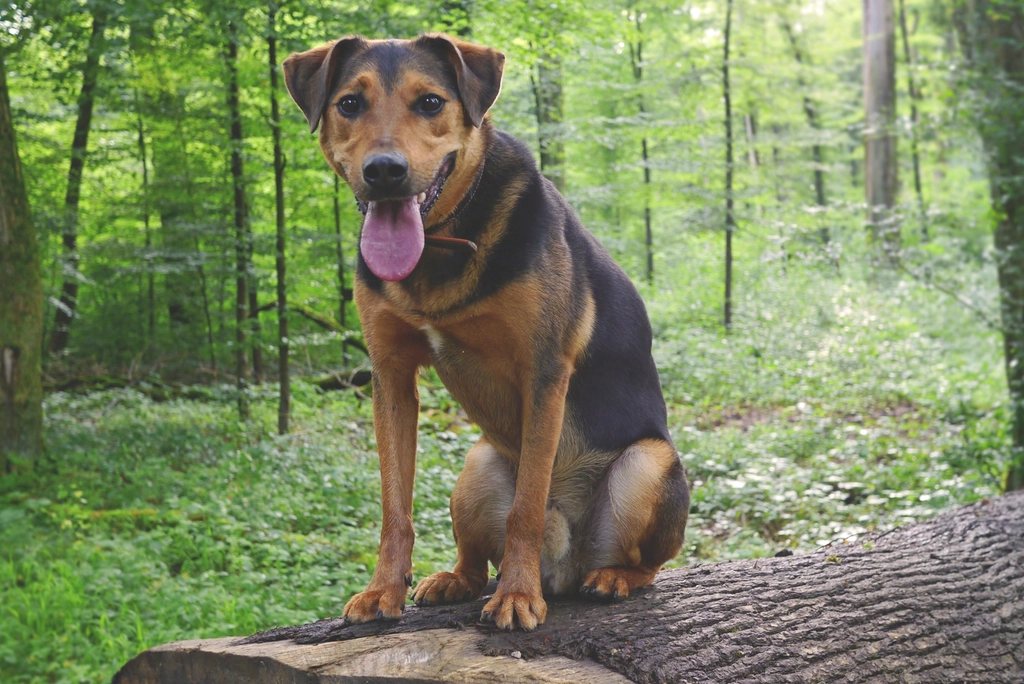
Somewhere on the first real trail with a dog there will be a dead bird, a chicken bone dropped near a picnic table, a chocolate wrapper with something still in it, or a smear of something unidentifiable that the dog finds fascinating. These are the moments that decide whether a walk ends at the car or at an emergency clinic. Two cues cover almost all of them. “Leave it” stops the dog before it takes something. “Drop it” gets it out of the mouth once it has. They are different skills, they are taught differently, and both should be solid at home before the first trailhead.
Why the two cues are not interchangeable
Leave it is a decision made with the eyes and nose. The dog notices something, wants it, and chooses to turn away. It is easiest to teach when the object is still at a distance, because a dog that has already committed has far less room to change its mind.
Drop it is a decision made with the mouth. The dog already has the thing, and we are asking it to open up and let go. Here the emotional stakes are higher. Anything the dog values, and rotten things are valued highly, comes with the risk that the dog will guard it, swallow it whole to keep it, or run off. A dog that has learned that giving things up is safe and profitable will not do any of these.
The common mistake is to use one cue for both jobs. If we shout “leave it” at a dog with a bone already in its mouth, we have muddied a cue that used to mean “look away” and taught the dog that the word predicts a chase.
What is actually dangerous out there
It helps to know what we are protecting against. Cooked bones, especially poultry, splinter into sharp pieces that can perforate the gut. Chocolate contains theobromine, which dogs metabolise slowly; dark and baking chocolate are the most concentrated, and a small dog can be seriously affected by an amount that would not trouble a person. Carrion carries bacteria and sometimes the toxins they produce, and a dog that rolls in it will usually try to eat it as well. Some trailside plants and fungi are toxic, and in autumn mouldy fallen fruit and nuts can cause tremors.
None of this means a dog cannot go into the woods. It means the dog needs a reliable way to hear no.
Teaching leave it in five stages
Stage one takes place on the kitchen floor. Hold a low-value treat in a closed fist and let the dog sniff, lick and paw at it. Say nothing. The moment the dog gives up and pulls its nose back, even for a second, mark the choice and give a better treat from the other hand. Repeat until the dog looks at the fist and immediately turns away. Now add the words: say “leave it” as we present the fist.
Stage two: the treat goes on the floor under a hand, then under a foot, then uncovered with our hand ready to cover it. The dog is never allowed to win the leave-it treat. The reward always comes from us, and it is always better than the thing on the floor.
Stage three moves outside on a leash. Drop a treat while walking, say the cue as the dog notices it, and walk past. Reward at the leg. Then repeat with more interesting things: bread, a dropped glove, a toy.
Stage four adds distance and motion. A helper tosses something ten metres ahead while we walk. The dog sees it land, hears the cue, and continues. This is the version we will use on the trail, so it deserves the most repetitions.
Stage five is the real world, starting at the easiest end and climbing. A useful progression looks like this.
- Dry kibble on a pavement, dog on a short leash.
- Food scraps at the edge of a picnic area, on a longer leash.
- Animal droppings on a farm track, at a distance first, then close.
- Something dead, seen from ten metres, with the turn away rewarded heavily.
Teaching drop it without a fight
The foundation of drop it is a trade that always favours the dog. Begin with a toy the dog likes but does not adore. While the dog holds it, present a treat at its nose. When the mouth opens, mark, give the treat, and then hand the toy straight back. That last part is the whole method. The dog learns that dropping does not mean losing; it means a snack and then the toy again.
After a few dozen trades, say “drop it” just before the treat appears. Then start saying the cue and waiting a beat before showing the treat; most dogs will open their mouth in anticipation. Gradually the treat becomes intermittent while the toy is still returned almost every time.
Move up the value scale slowly. A tug toy, then a chew, then a food item the dog would genuinely rather keep. If at any level the dog turns its head away, stiffens or growls, we have gone up too fast. Drop back two levels and rebuild. Never pry the mouth open, never chase, and never punish a dog that has something in its mouth; every one of those makes the next drop less likely and the next swallow more likely.
For the emergency case, the dog that has a chicken bone and is already chewing, there is one more layer: the scatter. Throw a handful of treats on the ground a few steps away with a bright “find it”. Most dogs will drop what they have to investigate the shower of food, and we can step on or pick up the object while they do.
Bringing both cues to the trail
On the first walks in real terrain, keep the dog on a leash or a long line so we can manage distance. Scan ahead. Use leave it early, at the first flick of interest, rather than late. Reward the turn-away lavishly for the first weeks in each new environment; the woods are a fresh classroom and the cue needs to be relearned there.
Keep a small bag of high-value food in a pocket, not in the pack, so the trade is always instant. And remember that leave it is not only for hazards. Used gently, it is a way to move a dog past a grazing deer, a cyclist’s sandwich or another dog’s ball without confrontation, which is most of what good manners on a trail amounts to.
When it goes wrong anyway
It will, occasionally. If the dog swallows something we suspect is harmful, note the time, the amount and what it was, and call a veterinary clinic; advice depends on the substance, the size of the dog and how long ago it happened, and inducing vomiting at home without guidance can do more harm than good. Then go back to stage three and rebuild. A failed leave it is information about where the training thinned out, and nothing more.