
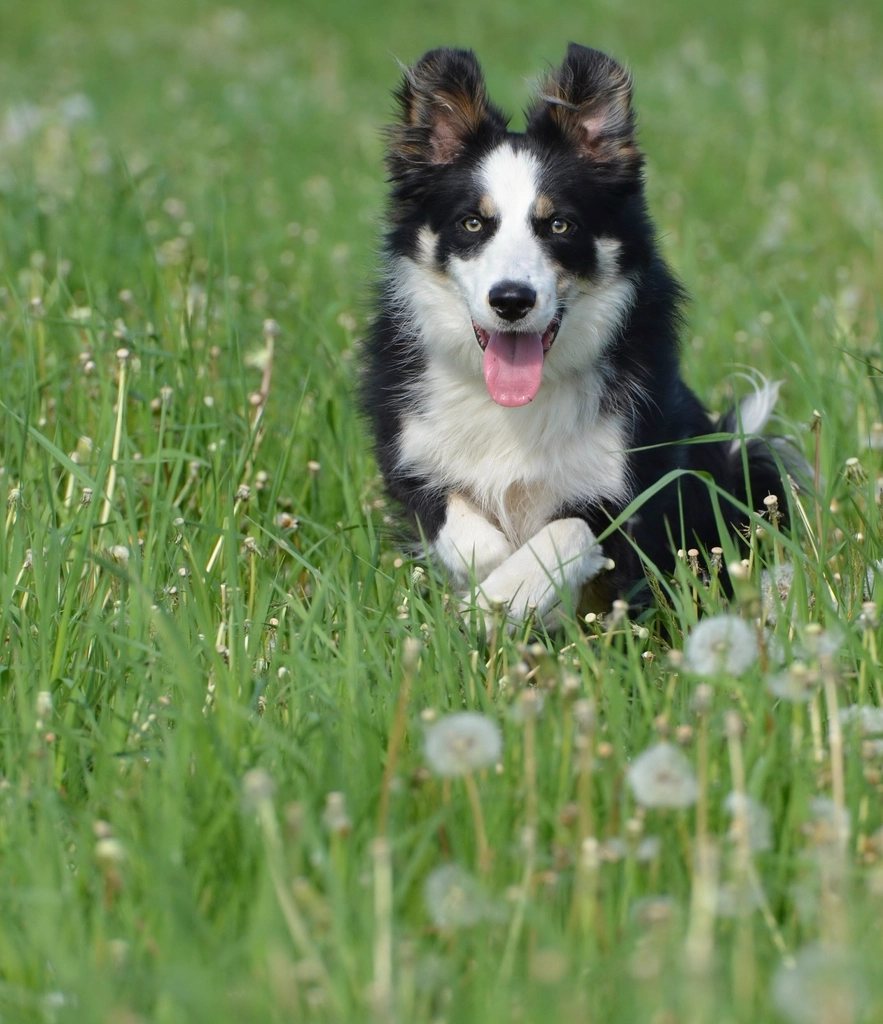
Ask ten dog owners how much exercise their dog needs and you will hear ten different numbers, most of them borrowed from a neighbour, a breeder or a half-remembered magazine. The truth is that the right amount depends on what the dog was bred to do, how old it is, how fit it already is and what the weather is doing. Still, minutes per day is a useful way to start, because it turns a vague feeling (“he seems restless”) into something we can measure and adjust. Here is how we think about it, group by group, with the caveats that matter.
Why minutes per day is a starting point, not a prescription
The figures below describe purposeful activity: walking at a steady pace, trotting, running, swimming, fetching, or trail work with a pack. A slow sniff around the block counts, but only partly; mental engagement is real exercise, yet it does not build the cardiovascular base a trail dog needs. We also count the day as a whole. Two 45-minute outings usually do more good than one 90-minute march, because dogs recover between sessions and are less likely to overheat or strain a soft tissue.
Weather changes everything. Above 25 C, especially with humidity, every minute of hard running costs more than it does at 10 C, and the daily target should fall rather than rise. Dogs cool mainly by panting, which becomes inefficient in humid heat, so a July run should be shorter and slower than the same route in October. Where we give a range, the lower number is for a warm, humid day or an unfit dog; the upper number is for a fit dog in cool conditions.
Sporting, herding and working breeds: 90 to 120 minutes or more
Retrievers, pointers, setters and spaniels were bred to work a field for hours; collies, shepherds and cattle dogs were bred to move stock all day; huskies and other sled types were bred to pull for distances that make our hikes look like warm-ups. For these dogs, 90 minutes of real activity a day is a floor, not a ceiling, and many are visibly happier at two hours split across the day. Without it, the surplus energy goes somewhere: chewed furniture, fence running, barking, or the herding of children and cyclists.
The good news for hikers is that this group is the easiest to condition for long days. A fit adult retriever or shepherd can comfortably cover 15 to 25 kilometres on a mountain trail once it has been built up over several weeks. The bad news is that they rarely tell us when they have had enough, so the responsibility for stopping sits with us.
Hounds and terriers: 60 to 90 minutes, but of very different kinds
Hounds are two families. Scent hounds such as beagles and bloodhounds are built for stamina at a moderate pace and will follow a nose for an hour or more; they need long, steady walks and thrive on trails where they can track. Sighthounds such as greyhounds and whippets are sprinters with a surprisingly low daily requirement: two or three short bursts of flat-out running plus a couple of 20-minute walks, perhaps 60 minutes in total, and then they want the sofa. Asking a greyhound to jog for 90 minutes is a mismatch; asking a beagle to sprint and then sleep is another.
Terriers, from the small earth dogs to the larger farm types, sit in between. Most need 60 to 90 minutes and, crucially, an outlet for their drive: digging in a permitted spot, tug, or scent games. Their bodies are tough and their attitude is tougher, which is why terriers are over-represented in the “small dog that hiked 20 kilometres and then slept for two days” stories.
Toy, companion and flat-faced breeds: 30 to 60 minutes, carefully
Companion breeds were selected for temperament and size rather than for stamina, and their needs are modest: 30 to 60 minutes a day of walks and play, often in short pieces. Many are excellent hiking partners for shorter routes, and a 5 kg dog carrying nothing but itself can manage more than people expect on an easy trail.
The exception is the flat-faced or brachycephalic group: pugs, bulldogs, and similar. Their shortened airways limit both the amount of air they can move and the cooling they get from panting, so heat and exertion combine dangerously. For these dogs we keep sessions to 15 to 20 minutes, walk in the cool parts of the day, watch for noisy breathing, and treat anything above 22 C as a reason to stay home. There is no medal for a bulldog on a summit, and the veterinary literature on heat stroke in these breeds is sobering.
Puppies, seniors and the rule of five minutes
Puppies are a special case because their growth plates, the soft cartilage at the ends of the long bones, do not close until roughly 12 months in small breeds and 18 months or more in large ones. Repetitive, forced exercise before closure, such as long leash runs or jogging beside a bicycle, is associated with joint problems later. A widely used rule of thumb is five minutes of structured exercise per month of age, once or twice a day: a four-month-old puppy gets about 20 minutes of walking at a time. Free play on soft ground, where the puppy sets its own pace and stops when tired, is a different matter and can be more generous.
Senior dogs need less intensity but not less movement. Stiff joints get stiffer with rest, and a 10-year-old dog usually does best with two or three gentle walks of 20 to 30 minutes rather than one long one. Swimming, where available and safe, is the kindest exercise for an old dog because it loads the muscles and not the joints.
How to tell if your dog is getting enough, or too much
The dog will tell you, if you know what to look for. Signs of too little exercise include restlessness in the evening, weight gain, destructive habits, and an inability to settle after a walk. Signs of too much are quieter and easier to miss:
- Stiffness the next morning, especially after getting up from a lie-down
- Reluctance to jump into the car or onto a bed the dog normally leaps onto
- Licking or chewing at a joint or paw
- Sleeping much more than usual for two or more days after a big outing
- A dog that starts lagging on a route it used to lead
Adjust in steps of 10 to 15 percent per week, up or down, and keep a note of what you did and how the dog looked the next day. Within a month you will have a number that fits your dog rather than a breed chart, and that number is the one worth trusting. Then, when the seasons turn, revisit it: a fit dog in autumn deserves more trail than the same dog did in the heat of August, and a dog coming off a winter of short walks needs to be rebuilt before it is asked for a long day out.