
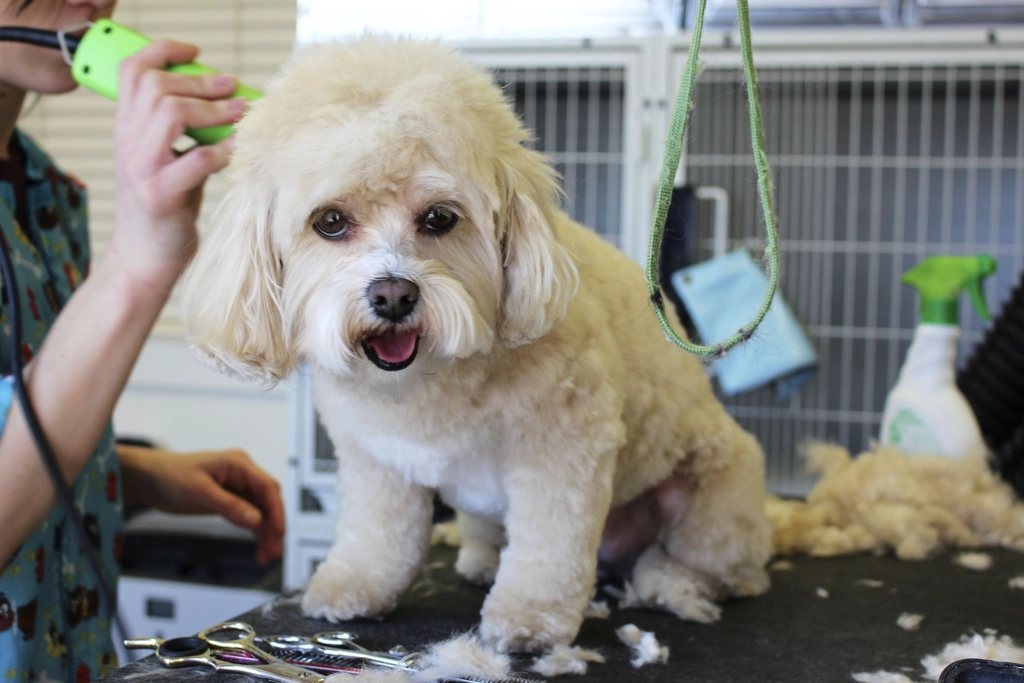
A dog that spends its weekends in the hills gets a different kind of wear from a dog that lives on pavements and lawns, and its maintenance routine should be different too. Trail dogs wear their nails down but not their dewclaws; they come home with burrs, grass seeds and mud in the coat; they swim in lakes and then ride home in a damp car with their ears folded shut. None of this is dramatic on any given day, and all of it adds up. Here is the routine we use, organised by body part, with the timing that has worked for us over many seasons.
Nails: the clicking test and the forgotten dewclaw
The simplest test is sound. A dog whose nails click on a hard floor has nails that are too long, because a correctly trimmed nail should not touch the ground when the dog stands square. Long nails change the angle of the toes, push the weight back onto the pads and, over months, alter the way the dog moves; on rock they are also the nails that split and tear. Most dogs need a trim every three to four weeks. A trail dog that runs on rough ground may wear the main nails naturally and need only a check, but the dewclaws, the thumb-like nails on the inside of the front legs, touch nothing and grow unchecked until they curl toward the leg. They are the nail most often found grown into the skin on a dog whose owner “never needed to trim”.
Trim a small amount often rather than a lot rarely. The quick, the living tissue inside the nail, recedes when the nail is kept short and creeps forward when it is left long, so a dog with neglected nails cannot be brought back in one session. On pale nails the quick shows as a pink core; on dark nails, trim in thin slices until a small dark dot appears in the centre of the cut face, then stop. A grinder is gentler for dogs that hate clippers, and a pinch of styptic powder in the kit deals with the occasional nick.
Coat: brushing, seeds and the case against shaving
The coat is the dog’s outdoor clothing, and how we maintain it depends on what kind it is. Double-coated breeds, from huskies to retrievers to most shepherds and collies, carry a dense undercoat that insulates against cold and, less obviously, against heat, and that sheds heavily twice a year. These dogs need a thorough brush with a slicker or an undercoat rake once a week, and daily during the spring and autumn moult. They should not be shaved for summer; a clipped double coat loses its insulation, exposes the skin to sunburn, and often grows back patchy. Single-coated and wire-coated breeds are simpler: a weekly brush and, for the wire coats, hand-stripping or a clip every couple of months.
The post-hike coat check is where the outdoor part comes in. Burrs mat quickly and are best picked out the same evening with fingers and a comb, working from the tip of the hair toward the skin. Grass awns, the barbed seed heads of certain wild grasses that dry out from early summer onward, are a more serious matter: they work in one direction only and can migrate through skin, into ears, up the nose and between the toes. In regions where they are common, check the feet, ears and armpits after every summer walk and trim the hair between the pads short. After swimming, dry the dog properly, especially the dense fur of the chest, neck and hindquarters; a coat left damp against the skin for hours is the classic origin of a hot spot, the raw, weeping patch that can appear overnight.
Ears: weekly look, occasional clean
Ear problems are among the most common reasons an active dog sees a vet, and swimmers and dogs with heavy, hanging ears are the most affected. The ear canal of a dog is L-shaped, warm and poorly ventilated, and a little water or a little moisture trapped under a floppy flap is all yeast and bacteria need. Once a week, lift each ear and look: a healthy ear is pale pink, dry, and smells of very little. Redness, a dark waxy discharge, a sweet or sour smell, head shaking or scratching at the ear mean it is time for the vet, not for home remedies, because the treatment depends on what is growing there and the eardrum must be checked before anything is put in the canal.
Routine cleaning is for dogs that need it, not for every dog. If your dog swims or produces wax, a cleaning solution designed for dogs, squeezed into the canal, massaged at the base of the ear for thirty seconds and then wiped out with cotton wool or gauze, once a week or after each swim, keeps the canal dry and the balance right. Never push a cotton bud down the canal; it compacts wax and can damage the drum. After a swim or a wet walk, simply drying the underside of the ear flap and the entrance of the canal with a soft cloth prevents most trouble.
Paws, teeth and the rest of the weekly check
Pads take the most punishment and get the least attention. Once a week, and after any rocky outing, look at each pad for cracks, cuts, embedded grit and the smooth, worn look of a dog that has done too much on abrasive ground. A pad balm rubbed in a couple of times a week in winter and on dry summer ground keeps the surface supple, and hair between the pads should be trimmed level with them to stop ice, mud and seeds collecting. Teeth get a quick look at the same time; a chew or a brush a few times a week does more for a dog’s long-term health than most people expect. Eyes should be clear and free of discharge, and the weekly hands-on session is the moment to run fingers over the whole body for lumps, ticks, scratches and sore spots.
A routine you will actually keep
The best maintenance routine is the one that survives a busy week, so we keep it short and attached to things we already do:
- After every walk: paws, ears and armpits checked for seeds and ticks; burrs picked out
- After every swim: coat dried, ear flaps wiped, canal cleaned if the dog is prone to ear trouble
- Weekly: full brush, ear look, pad check, teeth, hands over the whole body
- Every three to four weeks: nails including dewclaws, hair between the pads trimmed
- Twice a year, at the moult: daily brushing for two or three weeks and a bath if needed
Kept up, this takes perhaps twenty minutes a week and turns most problems into things we notice early rather than things the vet has to fix late.